 VapeWholesaleHub
IVG Reload Seasonal Peaks and Stock Cover — Convenience Retail
There is no clever trick to buying ivg reload well. There is a short list of things worth checking and a long list of things that distract from them. This page is an attempt at the short list.
Pricing and Margin
Build ivg reload price tiers around order sizes your customers actually place. Tiers that only make sense on a spreadsheet get ignored, and you end up discounting ad hoc instead.
Indicative reference points for planning purposes: entry tier from USD 1.47 per unit at 500 units, mid tier at USD 1.25, and volume tier at USD 1.41 for full container quantities. These figures move with specification, packaging and freight, so treat them as a shape rather than a quote.
Turning IVG Reload Into Repeats
Online, the listing for ivg reload should answer three questions without scrolling: what it is, how strong it is, and what it tastes like. Everything else belongs further down the page.
Bundle ivg reload with a complementary item rather than discounting it outright. The perceived value holds up better and the second item often becomes a repeat purchase on its own.
Getting IVG Reload to Your Warehouse
Split ivg reload shipments across two sailings when the order is large enough. It costs slightly more but removes the risk of a single event wiping out a full quarter of stock.
Carton dimensions for ivg reload are a design decision, not a packing afterthought. A few centimetres on the master carton can change how many units fit a pallet, and that repeats on every order.
Trends Worth Watching
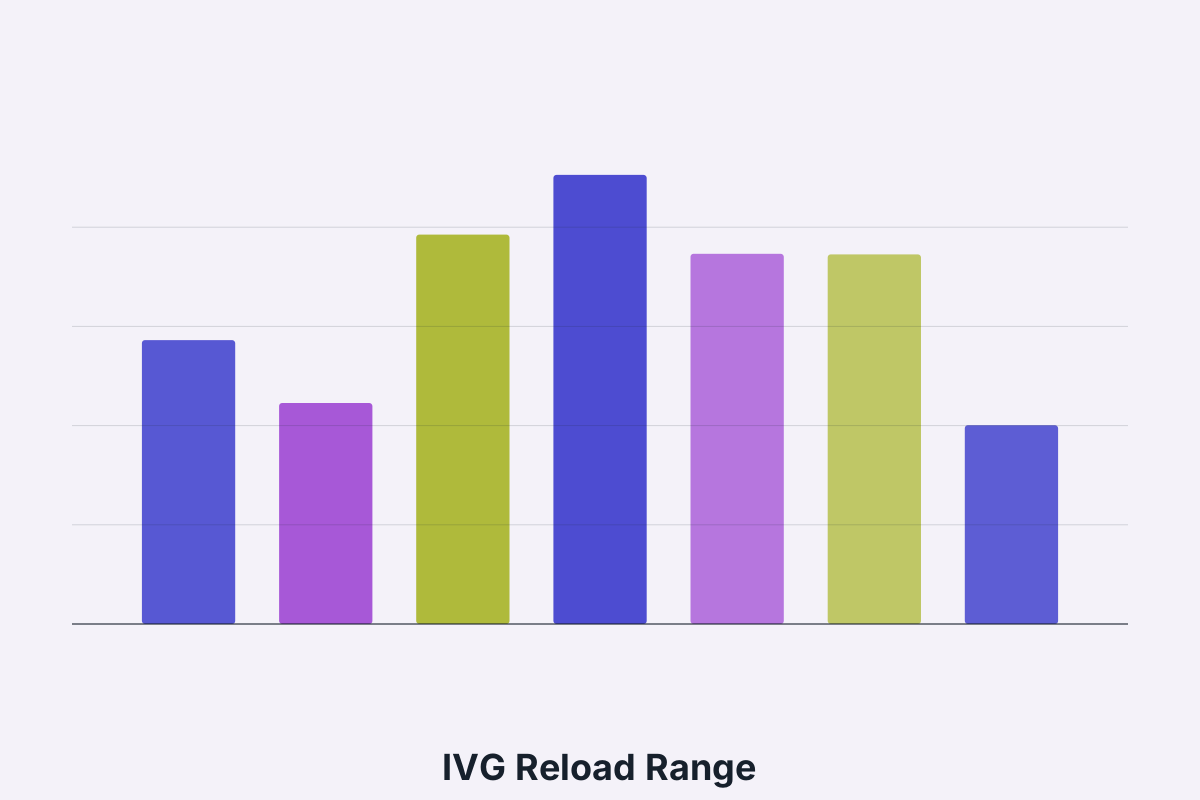
Demand for ivg reload has been steadily rebalancing. The early phase rewarded whoever could ship fastest; the current phase rewards whoever can ship the same thing twice. That shift favours buyers who invest in specification rather than price shopping.
How IVG Reload Fits the Assortment
Category planning for ivg reload works best when you map it against three shopper types: the restocker who already knows what they want, the switcher who wants something stronger, and the explorer who buys on flavour name alone.
Practical Checklist
- Model landed cost, not ex-works price, when comparing quotes.
- Agree the tolerance band in writing before approving artwork.
- Start with a mixed carton and let your own sell-through decide.
- Ask how the factory measures puff count, then compare like with like.
- Check carton dimensions against your freight quote before confirming.
- Rotate stock by batch code rather than by delivery date.
Frequently Asked Questions
What information do you need to quote?
Target specification, approximate quantity, destination and any packaging requirement. With those four we can usually come back with a costed option the same working day rather than a request for more information.
What happens if my market changes its rules?
Regulations move, and packaging or documentation sometimes has to follow. We keep approved artwork files on hand so that a required change is a reprint rather than a redesign, which keeps the cost and delay down.
Can the packaging be customised?
Yes. Most ivg reload programmes use private label packaging once volumes justify the printing plate. We supply dielines, check your artwork for print issues and hold approved files so reorders need no new setup.
What if I only need a small first order?
That is normal and sensible. A mixed carton lets you test ivg reload in your own market before committing to a production run, and the specification you approve at that stage carries through to larger orders unchanged.
Next Step
Whatever you decide, decide it against numbers you can check on arrival. That single discipline removes most of the risk from importing ivg reload.
Related Reading
- IVG Reload Colour Matching Across Production Runs — Convenience Retail
- IVG Reload Emissions and Leak Testing Methods — Premium Shelf Programmes
- IVG Reload Vendor Managed Inventory Possibilities — Oceania
- IVG Reload Lead Time Buffers That Actually Work — Wholesale Clubs
- IVG Reload Pallet Configuration for Mixed Orders — Small Batch Buyers
- IVG Reload Slow Moving Stock and Remedial Actions — Convenience Retail